Individual action on climate change is meaningful
What's this about?
People disagree about whether one person’s climate choices can make a real difference. Personal choices help, but big changes also need laws and business action.
What supporters say
- Homes, cars, flights, food, and shopping all add gases that heat Earth.
- Using less power, driving less, and flying less can cut more than small habits alone.
- Tests show that tips and home power reports can help some families use less energy.
- People can vote, speak up, join groups, and push leaders to make cleaner choices easier.
What critics say
- One person cannot cut enough heat-trapping gas to solve climate change alone.
- Many people lack easy access to buses, safe bike paths, or clean home power.
- Big firms, power plants, and transport nets cause huge amounts of pollution.
- We do not yet know when many small choices can change whole systems.
The bottom line
Personal action can cut real pollution, especially when people choose high-impact changes. But it cannot replace strong laws, new systems, and major changes from businesses.
Individual action on climate change can make a real difference, but it cannot replace the large-scale policy and economic changes needed to cut emissions fast enough. Its value is strongest when personal choices reduce substantial emissions and help build support for wider action.
The case for
People’s daily choices affect emissions because homes, transport, food and consumer spending are major sources of environmental impact. Cutting back on flying and driving, improving home energy use, and making other high-impact changes can reduce emissions more than focusing mainly on lower-impact habits such as recycling alone (see Figure 1). 14
Research also shows that household behaviour can change. Studies across multiple countries, including randomized trials, have found that energy-use feedback, information campaigns and comparisons with neighbours can lead households to use less energy. The size of the effect varies by the programme, the people involved and local conditions, but the reductions are measurable. 2
Personal action is not limited to shopping choices. Individuals are also voters, workers, investors, organisers and members of communities. Visible low-carbon habits may spread through social groups, shift what people see as normal and help create support for policies or institutions that make cleaner choices easier. 3
That broader influence is important because the effects of a person’s behaviour may go beyond their own carbon footprint. A household choosing public transport, for example, may not transform a transport system on its own. But widespread visible changes can contribute to political demand, market shifts and new social expectations. The available evidence supports this possibility, though it remains unclear exactly when such changes become large enough to alter entire systems.
The case against
The central limitation is clear: individual action alone cannot close the climate emissions gap. Current national policies and pledges are already insufficient to meet global temperature goals, and the required transition depends on infrastructure, technology, institutions and government policy. People cannot readily choose low-carbon transport, heating or food if affordable alternatives are unavailable. 5
Behaviour-focused programmes also tend to produce effects that are uneven and often modest rather than transformative. Their success depends on the setting and the action being encouraged, while questions remain over whether changes last and whether they can be scaled across whole populations. Cost, convenience, local infrastructure, social norms and unequal access to alternatives all shape what people can realistically do. 7
There is also a risk in presenting climate change mainly as a consumer problem. That framing can shift responsibility away from governments, corporations and other powerful institutions, while ignoring that emissions and resources are distributed very unevenly. People with fewer financial options, poor public transport or inefficient housing cannot make the same choices as those with more means. 6
Even apparent savings may be smaller than they first appear. When someone saves money or time through greater efficiency, they may spend those resources on other goods or activities that create emissions. These so-called rebound effects can reduce the climate benefit, although they do not necessarily erase it altogether. 8
The bottom line
The evidence supports a balanced but affirmative conclusion: individual climate action is meaningful, especially when it produces sustained reductions in high-impact areas such as travel, energy use and consumption, or when it helps drive collective and political change.
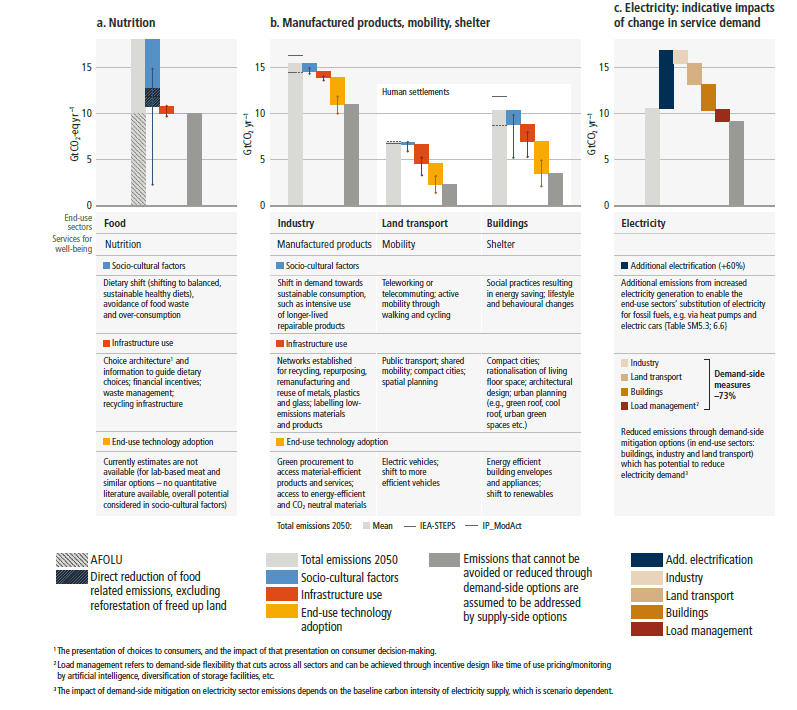
But personal action is complementary, not a substitute, for structural climate policy. The strongest approach combines individual choices with civic action—voting, organising, workplace engagement and support for policies that expand affordable low-carbon options. The IPCC identifies substantial potential for demand-side emissions cuts when enabling conditions are in place, and behavioural evidence indicates that policy-backed programmes can change household practices (see Figure 2).
There is high confidence that personal choices can have measurable direct effects and that supportive policy is essential. The biggest unanswered questions concern the scale and durability of those changes, the impact of rebound effects, and how often visible individual behaviour translates into lasting shifts in markets, politics and institutions.
Figures & data

All contributions are reviewed for clarity, balance, and evidence. The strongest insights are elevated into the argument graph — with credit to you.
Help improve this analysis →