The EU AI Act will set the global regulatory standard
What's this about?
People disagree about whether the EU AI Act will become the main set of AI rules worldwide. The law sets safety and rights rules for AI systems.
What supporters say
- Europe has a huge market, so firms may follow its rules to sell AI tools there.
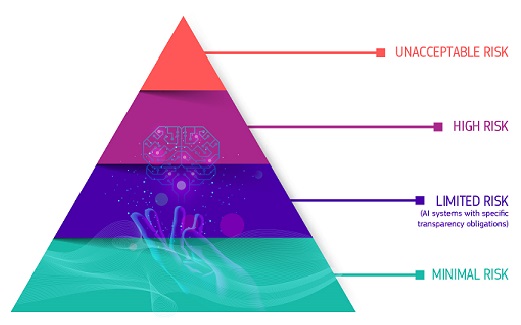
- The law covers banned uses, risky AI, clear labels, and large AI models.
- Firms can use one EU-based plan across many places instead of making many different plans.
- Europe is making guides and tests that help firms show they follow the rules.
What critics say
- The law affects firms outside Europe in some cases, but it does not force every country to copy it.
- A major US tech firm has changed some plans, but that does not prove the whole world will follow.
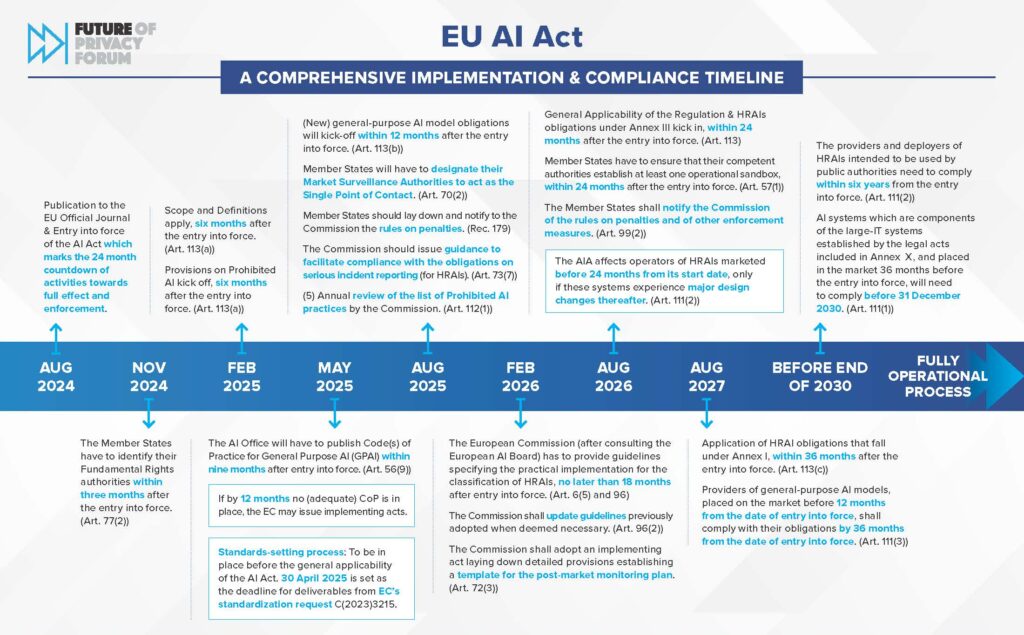
- Europe still needs to finish key guides, tests, and a code for big AI model firms.
- These tools may spread EU-style risk checks and records, not the whole EU law.
The bottom line
The EU AI Act will likely become a major guide for AI rules around the world. But we should not expect it to become the one rulebook that every country uses.
The EU AI Act is widely expected to influence how companies and governments manage artificial intelligence. But the evidence suggests it is more likely to become a major global reference point than the single worldwide rulebook for AI.
The case for
The EU has a strong tool for projecting its rules beyond its borders: access to its large market. The AI Act applies in certain cases to companies outside the bloc when their AI systems are sold into Europe or their outputs are used there. That gives multinational firms a reason to build products and internal controls around EU requirements. 1
The law is also unusually broad and detailed. It sets rules for banned AI practices, “high-risk” systems, transparency obligations and general-purpose AI models. This creates a practical compliance framework that companies can use across their operations, rather than a loose set of principles. Microsoft’s public compliance materials, for example, show that a major US technology company considers the Act commercially important and is adapting products and governance practices around it. But such company statements do not prove that the approach is being adopted globally.
The EU is moving beyond legislation into the harder work of making its rules usable. The European Commission is developing technical standards, guidance and compliance routes, including a code for general-purpose AI providers. These tools cover matters such as transparency, copyright, systemic risks and how companies can show they meet the rules. If auditors, suppliers and companies broadly adopt them, they could spread EU-style documentation and risk-management practices well beyond Europe. 2
Supporters also point to the General Data Protection Regulation, or GDPR. That privacy law helped spread compliance practices and professional norms internationally, showing how EU market rules can shape governance outside the bloc. 3 The AI Act’s emphasis on rights and risk also overlaps in part with the Council of Europe’s AI framework, suggesting that EU ideas could help shape the language of international AI regulation. 4
The case against
The biggest obstacle is that AI regulation is already developing along several different paths. The Council of Europe has its own treaty framework, focused on human rights, democracy and the rule of law. China’s rules for generative AI combine duties for providers with content controls and security requirements that reflect different political priorities.
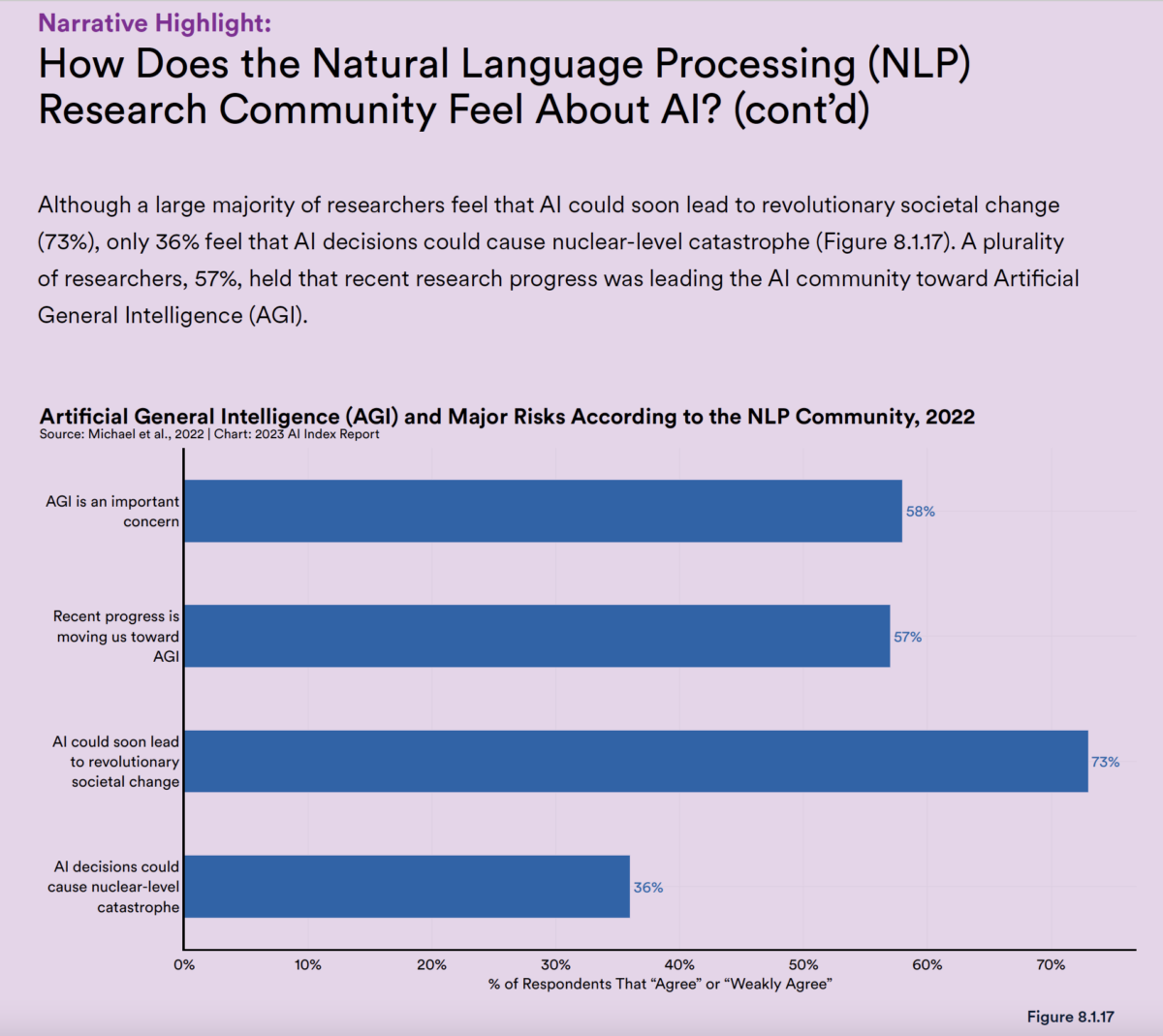
That makes one EU-centered global standard unlikely. Countries and sectors are likely to produce uneven rules rather than fully converge on the EU model (see Figure 3). 5 Even where governments share some of Europe’s concerns about safety or rights, they may differ on the legal form of their rules, which systems they cover, how they enforce them and what uses they ban.
The GDPR comparison also has limits. AI technology changes quickly, and companies may be able to tailor AI services to different jurisdictions more easily than they could with privacy systems. National priorities involving industrial policy, security and technology competition may further discourage a common global approach. The forces that helped the GDPR travel internationally may therefore be weaker for AI. 6
There is another reason for caution: the AI Act is still being put into practice. Its standards, guidance for general-purpose AI and compliance pathways are under development. How they are interpreted, enforced and adopted will determine how much influence the law ultimately has. Using EU-linked standards or voluntary compliance tools would show practical influence, but would not mean other countries had adopted EU law. 7
The available evidence also remains incomplete. There is strong official and expert analysis of the Act and of rival frameworks, but little direct evidence that non-EU governments are copying its model or that companies have standardized AI compliance worldwide around it. Corporate examples are largely self-reported, while EU implementation documents show what Europe is building, not whether the rest of the world will use it.
The bottom line
The EU AI Act is likely to be an important global reference regime, especially for cross-border companies and for practices such as risk management, documentation, transparency and human-rights safeguards. Its influence will be strongest where access to the EU market matters and where common compliance systems benefit providers, auditors and suppliers.
But the evidence does not support the stronger claim that it will set the dominant worldwide regulatory standard. Domestic-only AI systems, national-security uses and countries with sharply different political goals are less likely to follow its model. The most likely outcome is a global patchwork: partial convergence around some EU-inspired practices, alongside major differences in national laws and international frameworks.
Figures & data
All contributions are reviewed for clarity, balance, and evidence. The strongest insights are elevated into the argument graph — with credit to you.
Help improve this analysis →