Nuclear energy should be expanded globally to meet increasing AI-driven energy demands and climate objectives
What's this about?
People disagree about whether nations should build more nuclear power for AI needs and climate goals. Nuclear can help, but it cannot solve every power problem alone.
What supporters say
- Nuclear plants make low-carbon power day and night, even when wind and sun change.
- Data centres that run AI need huge, steady amounts of power.
- Keeping safe nuclear plants running can cut fossil fuel use sooner than new plants can.
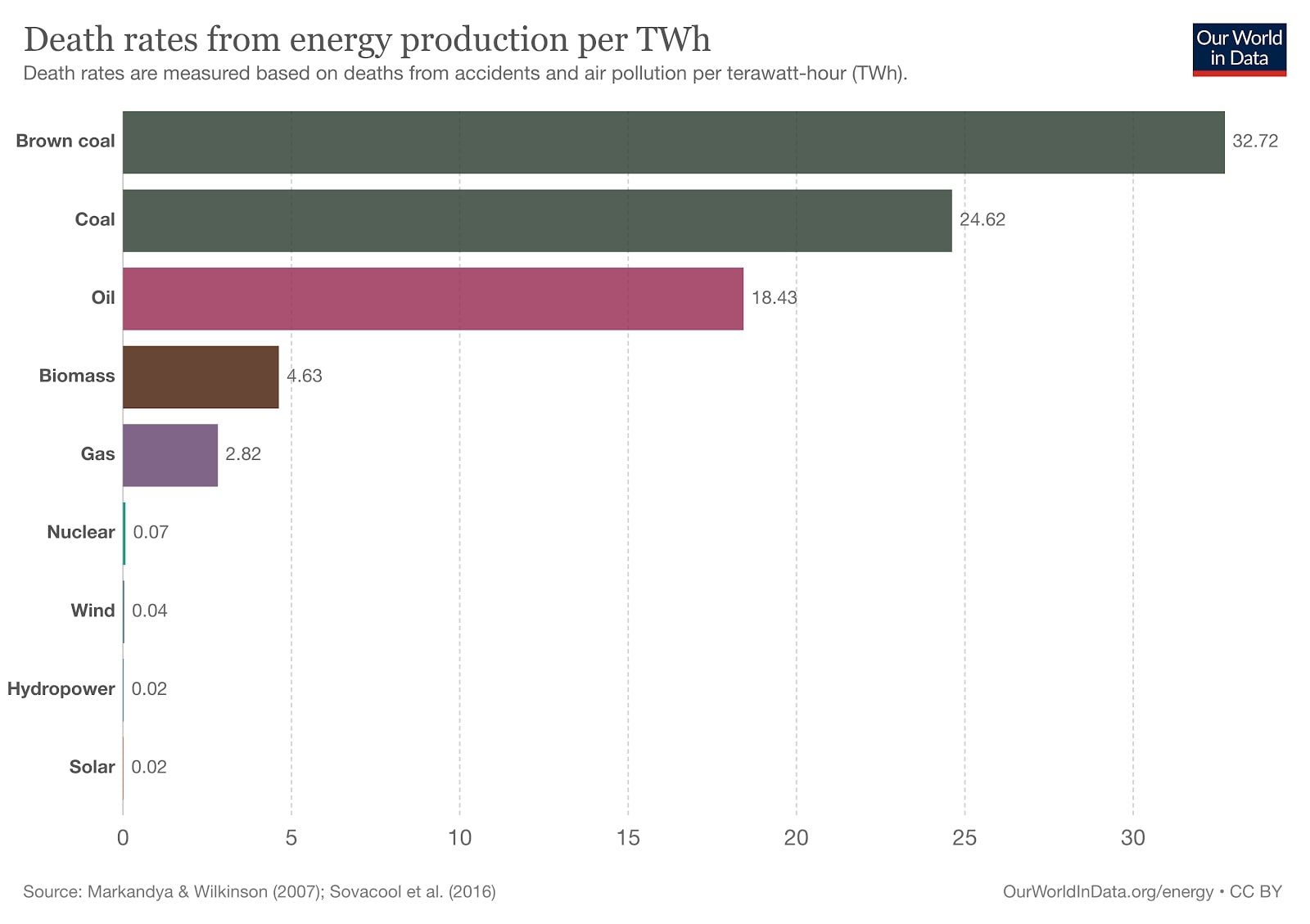
- Nuclear causes far less air harm than coal and oil, and it uses little land at plant sites.
What critics say
- New nuclear plants can take many years, so they may not meet fast-growing AI power needs.
- Big nuclear build plans may cost too much or arrive too late in some places.
- Health and land estimates depend on how people count risks, mines, waste, wires, and power storage.
- Some nations may lack the money, skills, or strong rules needed to build and run plants safely.
The bottom line
Nuclear power can play a useful role in clean power plans, especially where steady power matters. But nations should use it with other clean power sources, not as one global answer.
Nuclear power is being promoted as a way to meet fast-rising electricity demand from artificial intelligence while cutting emissions. The evidence supports it as one useful part of a clean-energy mix, but not as a one-size-fits-all global building program.
The case for
Nuclear plants provide steady, low-carbon electricity around the clock, unlike sources whose output depends on weather. That makes them potentially valuable for data centres and other AI-related facilities, which need large and reliable supplies of power. International Energy Agency assessments identify nuclear as one of several technologies that can help meet local grid strain created by data-centre growth. 12
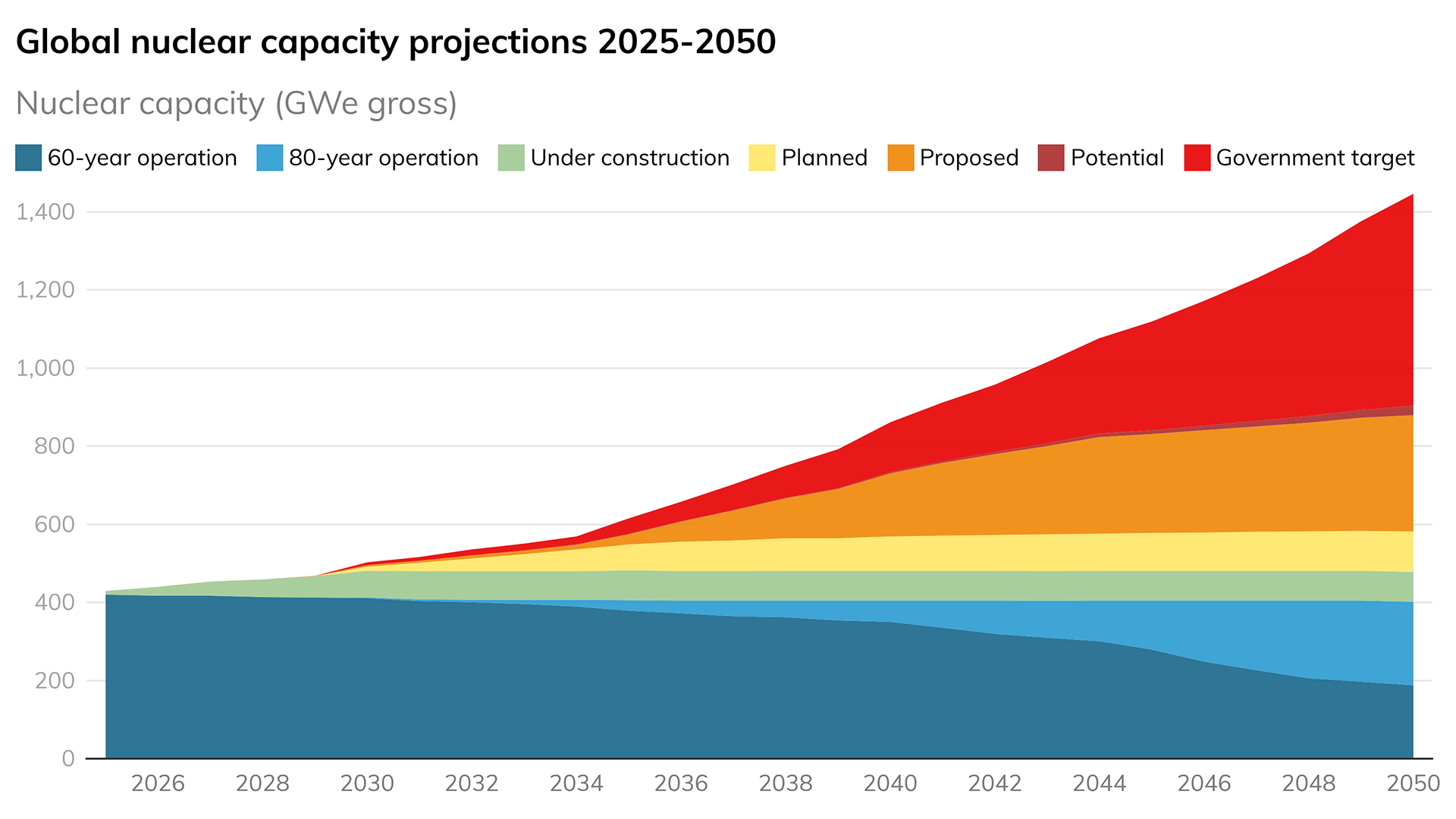
The most immediate benefit may come from keeping safely operating reactors online. Existing nuclear stations already produce substantial low-carbon electricity, and preserving them can avoid replacing that output with fossil fuels while governments plan future capacity. This is a more near-term contribution than constructing entirely new plants, which can take years to deliver. 5
Nuclear also compares well with coal and oil on public-health and climate grounds. Estimates generally find far fewer deaths and less air pollution per unit of electricity from nuclear and modern renewables than from fossil fuels. Nuclear plants also tend to use relatively little land directly for the amount of power they produce (see Figure 2). 34
Those advantages come with qualifications. Estimates of health effects depend on how researchers model pollution and risk, while land comparisons can leave out the impacts of transmission lines, storage, mining, fuel supply and waste sites. Still, nuclear’s low emissions and dependable output make it a credible option where a country needs firm clean power and has the capacity to build and regulate it.
The case against
The central problem is whether a major global nuclear construction push would arrive fast enough or cheaply enough to meet growing AI demand. Data centres are a rapidly expanding source of electricity use, but their needs are often local and immediate. New reactors, by contrast, have frequently faced long lead times, financing difficulties and major cost overruns. 67
History shows wide differences between countries. Some nuclear programs have built plants effectively, but others have seen costs rise sharply, including periods of “negative learning” in France, where later projects became more expensive rather than cheaper. Broad cost comparisons generally put new nuclear above utility-scale wind and solar, although such comparisons do not fully capture the costs of storage, grid upgrades, reliability and financing. They weaken the case that nuclear is always the cheapest answer, rather than ruling it out for every project.
Renewables offer a competing path. Solar and wind capacity has been expanding quickly, and can be combined with storage, stronger grids, efficiency measures and flexible demand. 8 In many places, these tools—along with existing nuclear plants and other firm power sources—may meet demand faster than a new reactor.
Nuclear also brings long-term safety and governance demands. Severe accidents are rare but can have major consequences: Fukushima produced no documented radiation-related health effects among residents, while Chernobyl caused documented thyroid cancers among heavily exposed groups. 9 High-level radioactive waste can be managed through deep geological disposal, the internationally developed approach, but doing so requires durable institutions, funding, public consent and oversight over very long periods. 10
Climate change adds another complication. Nuclear sites can face heat, drought, floods, storms, rising seas and limits on cooling water, though adaptation may reduce some risks. Small modular reactors are often presented as a solution, but their promised cost and construction benefits remain largely unproven. Licensing, fuel, finance, supply chains, waste and safeguards are still unresolved. 1112
The bottom line
The evidence leans against a blanket global directive to expand new nuclear capacity for AI demand and climate goals. It supports nuclear instead as a selective option within a broader portfolio of clean power.
The strongest case is for retaining safe existing reactors and considering new plants where reliable low-carbon power is especially valuable, sites are suitable, financing is available, institutions are strong and projects can realistically be delivered on time. Elsewhere, renewables, storage, grids, efficiency and demand flexibility may offer better or faster alternatives.
This conclusion carries high confidence, based on substantial institutional, government and research evidence on both sides. But individual decisions remain highly local: success depends on costs, construction capability, regulation, water, public acceptance, grid conditions and the alternatives available in each country.
Pros — Supporting Arguments
Cons — Opposing Arguments
Figures & data
All contributions are reviewed for clarity, balance, and evidence. The strongest insights are elevated into the argument graph — with credit to you.
Help improve this analysis →