Long COVID should be treated as a distinct medical condition requiring specialized healthcare protocols
What's this about?
People disagree about whether Long COVID needs its own kind of health care. Long COVID means health problems that last after a COVID-19 illness.
What supporters say
- Big health groups say doctors should take Long COVID seriously and check for other causes of symptoms.
- Long COVID can affect energy, breathing, memory, mood, heart rate, and daily life.
- A team of doctors may help when one person has many hard symptoms.
- Some people feel much worse after effort, so they need careful plans for rest and activity.
What critics say
- Not every person with Long COVID needs care from a special clinic or expert team.
- One set plan will not help everyone because symptoms and needs can differ greatly.
- Doctors must rule out other health problems instead of blaming every symptom on Long COVID.
- We still need more research on why symptoms last and which treatments work best.
The bottom line
Evidence shows that Long COVID is a real health condition that deserves careful, planned care. But doctors should match care to each person, rather than use one fixed plan.
Long COVID should be recognized as a real post-infectious medical condition, the evidence suggests. But that does not mean every patient needs specialist-only treatment or that one standard protocol will fit everyone.
The case for
Major health authorities, including the World Health Organization, the CDC and NICE in the UK, recognize Long COVID as a meaningful clinical condition following probable or confirmed COVID-19 infection. They advise clinicians to assess patients thoroughly, rule out other causes of symptoms, and offer care tailored to the individual rather than dismissing complaints as vague or routine recovery problems. That recognition supports structured clinical pathways for people with persistent symptoms 1.
The strongest argument for specialized protocols is the range of problems Long COVID can involve. Patients may experience fatigue, memory and concentration difficulties, breathing problems, heart or autonomic symptoms, mental-health needs and reduced ability to function. A single doctor or specialty may not be able to address all of these concerns, particularly when symptoms are severe or disabling. Coordinated care can help clinicians identify urgent warning signs, other illnesses and the need for referrals across specialties 2.
Rehabilitation is one area where tailored care may matter especially. Some people with Long COVID develop post-exertional malaise, in which physical or mental effort can trigger a worsening of symptoms. For those patients, a fixed or steadily increasing exercise program may be harmful. Guidance instead favors screening for this problem and adjusting activity through pacing and close monitoring, rather than assuming all patients simply need to rebuild fitness 3.
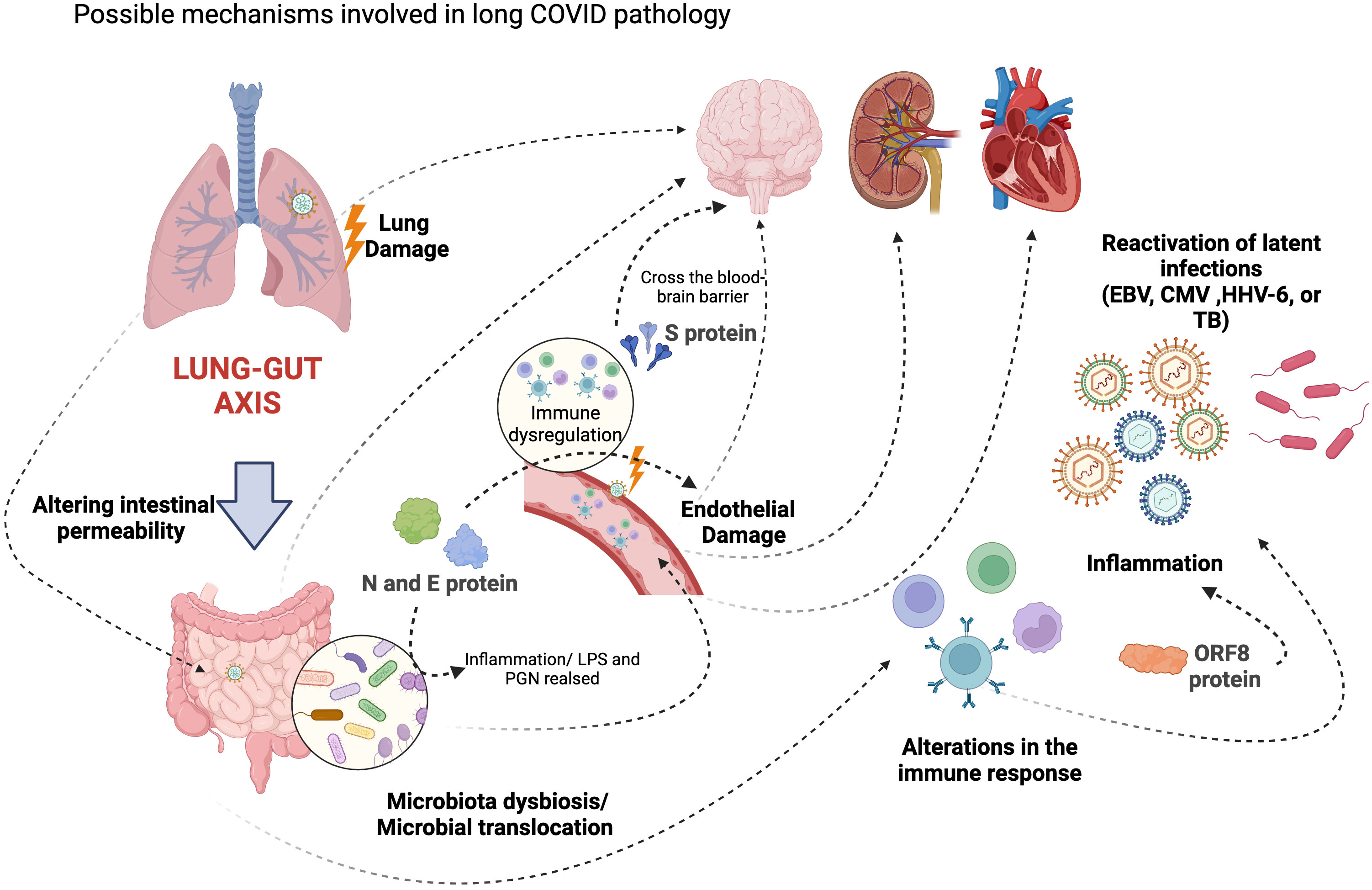
Research also gives reason to investigate persistent symptoms seriously. Studies have reported immune, inflammatory, blood-vessel, metabolic and autonomic abnormalities, along with possible ongoing immune activation or viral reservoirs. These findings do not yet explain every case, and they differ between patient groups, but they argue against treating all symptoms as nonspecific after-effects of infection (see Figure 1) 4.
Patients themselves have described gaps in ordinary healthcare pathways. Qualitative research reports difficulties getting symptoms validated, obtaining appropriate referrals, receiving clear explanations and maintaining continuity of care. More consistent assessment and referral standards could help address those shortcomings 5.
The case against
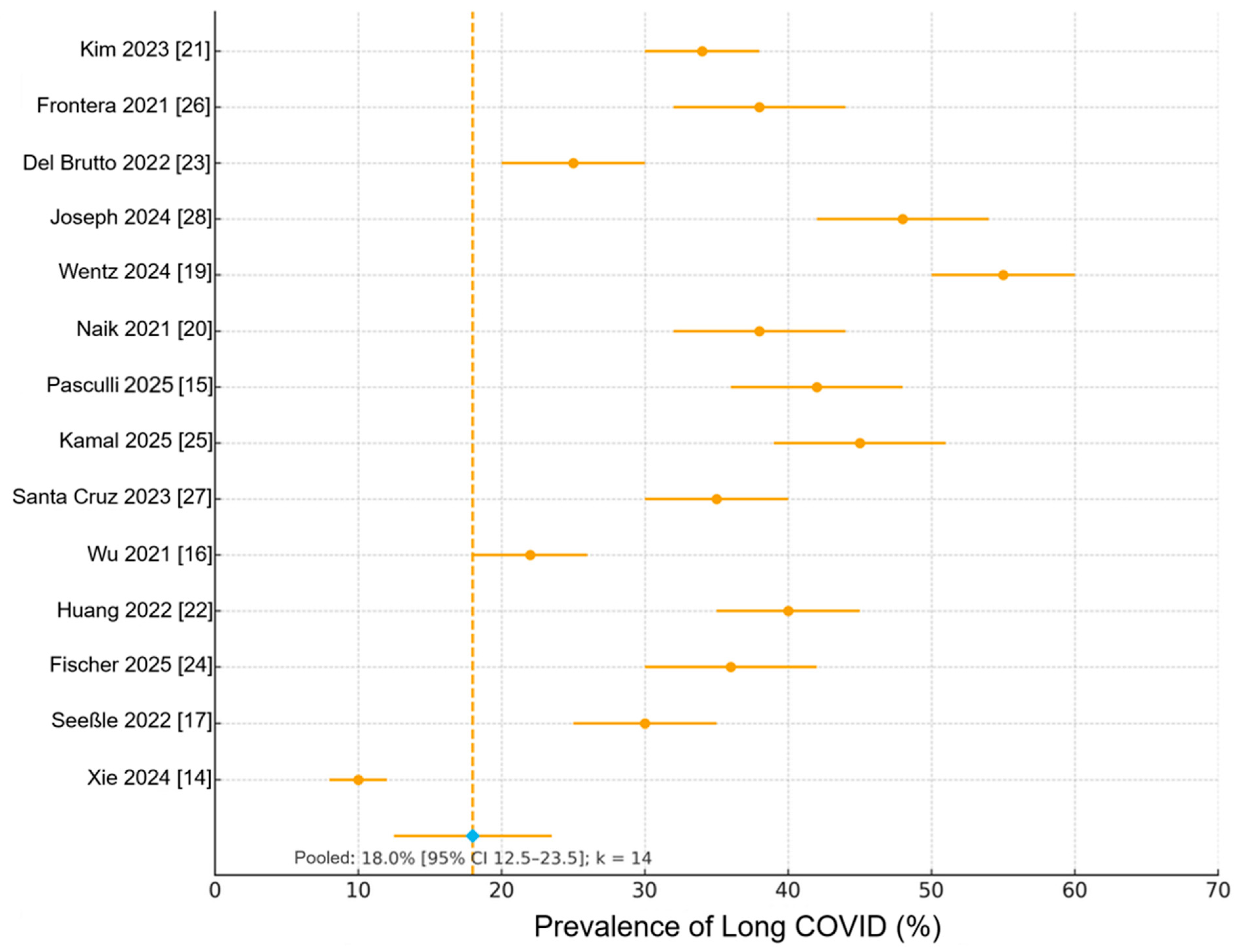
The main complication is that Long COVID is an umbrella term, not one uniform disease. People can have very different symptoms, risk factors and recovery paths. Estimates of how common it is also vary depending on the population studied, the virus variant, vaccination levels, length of follow-up and the definition used. A generic protocol could therefore miss important subtypes or overlook other explanations for a patient’s symptoms 6.
There is also no laboratory test that can definitively diagnose Long COVID or reliably sort patients into clinical groups. Researchers have found recurring biological signals, but the evidence remains inconsistent, often based on small studies with different definitions of the condition and limited confirmation in other groups. The CDC likewise says no definitive diagnostic test exists 7.
Specialist clinics may be useful, but evidence that they work better than well-organized primary care remains limited. Existing studies show that such clinics can operate and report measures such as service use, safety or physical outcomes. But most are observational studies, making it difficult to know whether the clinics themselves produced better outcomes or whether differences reflect which patients were referred and how ill they were 8.
Nor is there a proven, disease-specific treatment for Long COVID as a whole. Treatments for autonomic symptoms are largely based on observational evidence or drawn from care for related disorders. Early trials of possible therapies do not yet establish a general drug-treatment standard 9.
A system built around specialist-only care could also make access worse, particularly where specialist services are scarce. It could delay help for people who might be effectively managed through trained primary care with specialist advice when needed 10.
The bottom line
The evidence strongly supports treating Long COVID as a recognized condition that deserves structured, individualized care. Tailored protocols are especially justified for people with persistent, disabling, complex or multisystem symptoms, including those with post-exertional malaise.
But the best model is a tiered system, not universal specialist-only treatment. Primary-care teams should be equipped to assess symptoms, check for alternative diagnoses and warning signs, manage common problems and coordinate care. Patients with severe, uncertain or complicated cases should receive interdisciplinary specialist input.
The largest unanswered question is which specific clinic models, referral rules and treatments produce the best outcomes for particular groups of patients. Until better comparative evidence emerges, specialized protocols should be flexible, symptom-sensitive processes—not a single fixed package for every person with Long COVID.
Pros — Supporting Arguments
Figures & data
All contributions are reviewed for clarity, balance, and evidence. The strongest insights are elevated into the argument graph — with credit to you.
Help improve this analysis →