Foreign aid does more harm than good
What's this about?
People disagree about whether foreign aid does more harm than good. Foreign aid means money or help from one country to another.
What supporters say
- Donors and charities may give help directly, instead of helping local leaders improve public services.
- This can make people rely less on their own government for schools, health care, or clean water.
- Aid money can tempt leaders and their friends to steal funds or seek more outside money.
- Too many donors can bring changing plans, extra paperwork, and hard choices for small governments.
What critics say
- Badly planned aid can cause harm, but that does not mean all aid causes harm.
- We cannot always tell if aid causes theft, or if weak politics already caused both problems.
- Very large aid gifts can hurt local sellers or raise debt costs, but this depends on local rules.
- Governments can lower these risks by planning well and working with local public services.
The bottom line
Evidence shows that aid can cause real problems when donors design it badly or ignore local needs. But evidence does not show that foreign aid, overall, does more harm than good.
Foreign aid is often criticized as wasteful or damaging, especially when it bypasses local governments or arrives in unstable countries. But the evidence does not support the broad claim that aid, overall, does more harm than good.
The case for
The strongest criticism is not that every aid project fails, but that badly designed aid can weaken the institutions meant to serve people over the long term. When foreign donors or charities provide services directly, they may displace local government efforts or change how citizens view their own state. Research from Uganda and related studies of NGO-run services suggests this can reduce government accountability and create “crowd-out” effects, particularly when aid bypasses public systems. Aid can therefore solve an immediate problem while making durable state capacity harder to build. 1
Large inflows of outside money can also create opportunities for corruption. Weak oversight may allow politically connected groups to capture aid funds, while officials may have incentives to seek foreign resources rather than build a broader tax base or improve public services. The evidence supports these as plausible risks, though it is difficult to separate the effect of aid itself from the weak political conditions that often lead countries to receive more aid in the first place. 2
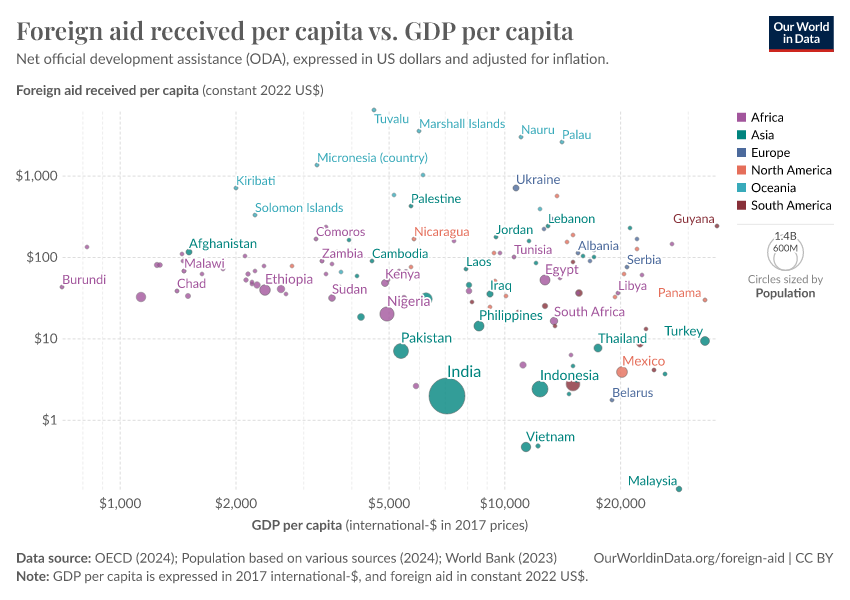
Aid can also strain an economy or an overstretched public administration. In Pacific countries, a peer-reviewed study found that aid was often fragmented among many donors and could be unpredictable from year to year. That raised administrative costs and made it harder for governments to plan policies or manage public services consistently. 5 Economic research also suggests that very large aid flows may, in some circumstances, push up exchange rates, hurt exporters’ competitiveness or add debt-service pressures. But these effects depend heavily on national policies and local conditions; they are risks, not inevitable outcomes (see Figure 1). 3
The problems are particularly acute in highly fragile states. Conflict, weak institutions, limited staff capacity and poor coordination can all make aid programs difficult to deliver effectively. In such settings, even well-intended funding may fail to produce lasting gains and can add to the burden on already strained governments. 4
The case against
The clearest challenge to the claim comes from targeted health programs, where some benefits are direct and measurable. A randomized study in Kenya found that giving away insecticide-treated malaria nets greatly increased access. It also found no sign that asking families to pay a small fee led them to use the nets more reliably afterward. The study provides strong causal evidence that grant-funded preventive health aid worked in that setting. 6
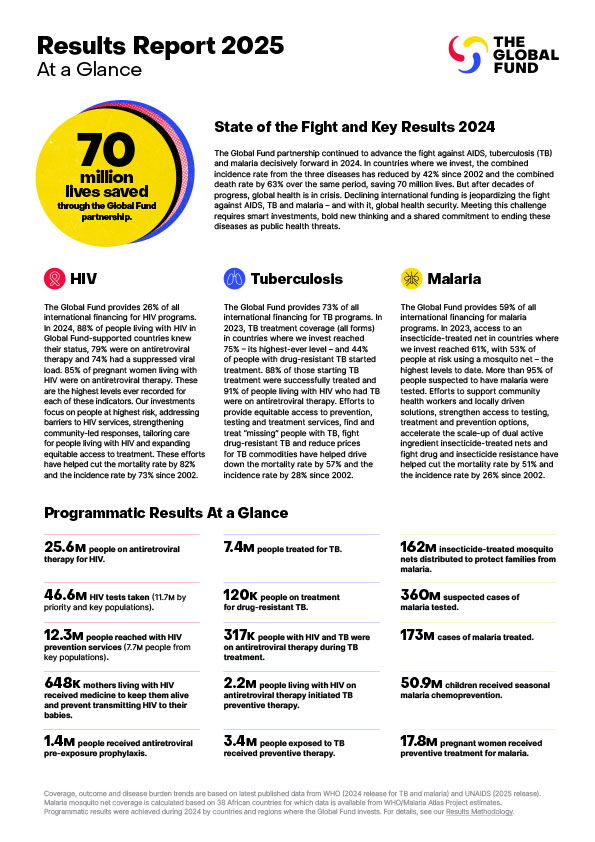
Major programs against HIV, tuberculosis and malaria have also been linked to lower death rates and wider access to testing and treatment. Those results make it hard to argue that foreign aid is broadly harmful in all or most forms (see Figure 3). While estimates for large programs often rely on program records and disease models rather than a single simple experiment, they remain important evidence that aid supports life-saving services.
The likely effects of cutting aid offer another warning. Modeling of an interruption in PEPFAR funding, the major US HIV program, projects substantial rises in HIV infections and deaths if domestic governments cannot replace the lost money. Abruptly withdrawing aid can itself cause serious and preventable harm. 7
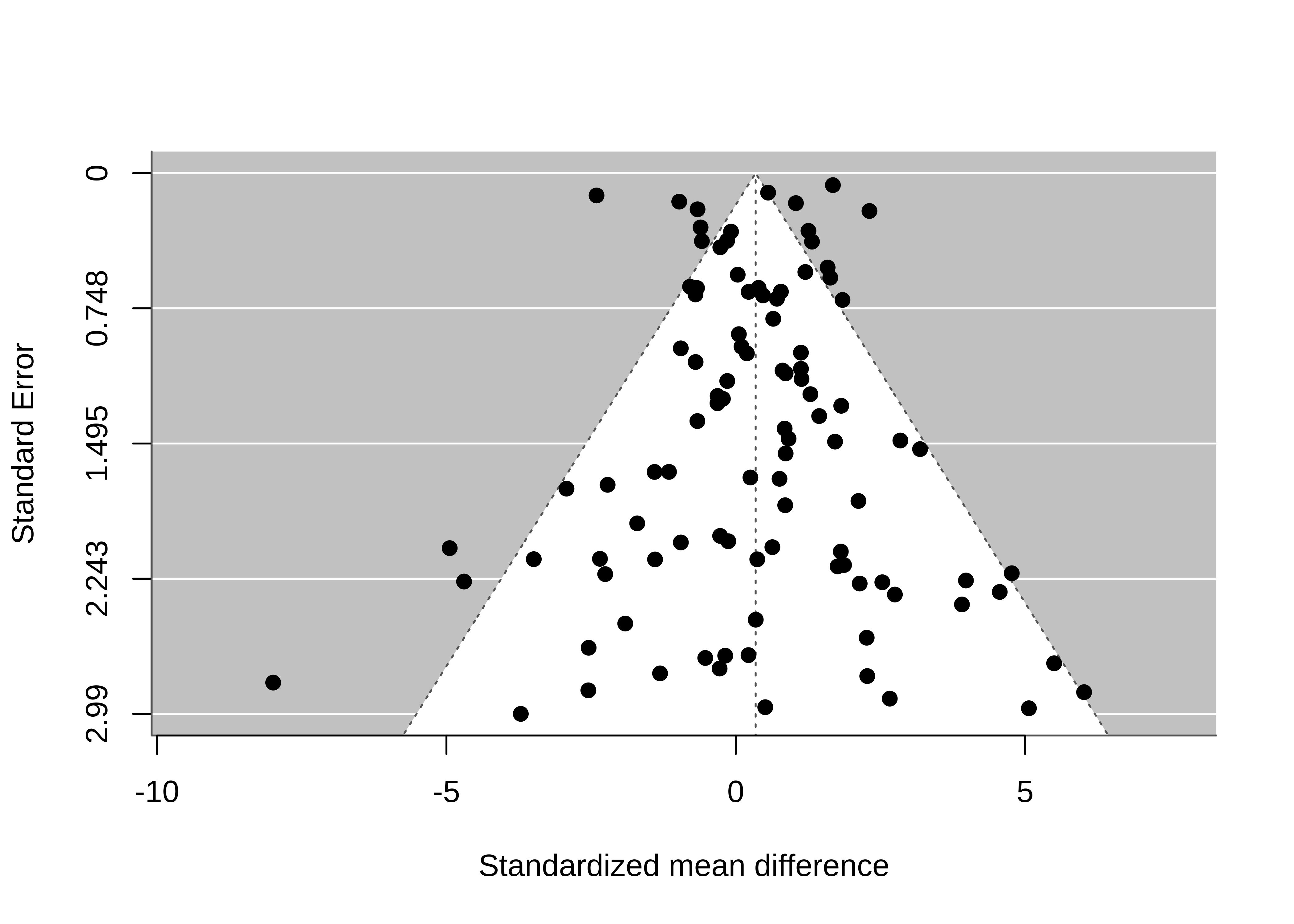
Nor does research show that aid has a consistently negative effect on economic growth. Reviews and meta-analyses find widely varying results, depending on the kind of aid, the country’s institutions, its economic conditions and the research methods used. The evidence does not point to one universal growth effect, positive or negative (see Figure 2). 8
Many documented problems are also issues of design rather than proof that aid is inherently damaging. International effectiveness standards emphasize better coordination among donors, alignment with recipient-country priorities, use of local systems and stronger accountability. That points toward reforming aid delivery, rather than abandoning it altogether. 9
The bottom line
The evidence does not support the categorical claim that foreign aid does more harm than good. Its record is sharply conditional: targeted health aid has demonstrated benefits, while aid that bypasses governments, arrives unpredictably or operates in highly fragile states can undermine capacity, accountability and long-term progress.
There is still no single, reliable way to add up all benefits and harms across every type of aid, country and time frame. Near-term health gains are better measured than broad, long-run effects on institutions and economies. But with strong evidence of both real benefits and real risks, the most defensible conclusion is that foreign aid is neither uniformly good nor uniformly harmful—and that how it is delivered matters as much as how much is given.
Figures & data
All contributions are reviewed for clarity, balance, and evidence. The strongest insights are elevated into the argument graph — with credit to you.
Help improve this analysis →