Standardized testing should be completely replaced by portfolio-based assessments in all school districts
What's this about?
People disagree about whether schools should stop using common tests and use student work folders instead.
These folders show work over time, such as drafts, projects, and notes.
What supporters say
- Work folders help teachers and students spot growth, find weak spots, set goals, and plan next steps.
- Big tests may make teachers focus too much on tested topics, so work folders could widen lessons.
- Work folders can show skills that short tests may miss, such as problem-solving, clear writing, and growth.
What critics say
- Different tasks, scorers, and rules can make work-folder scores hard to match fairly.
- Common tests give schools one shared way to compare student results across schools.
- A work-folder system would cost a lot because schools need time, staff, training, and careful checks.
- Students may have very different tools, help, and chances to make strong work folders.
How to read this
The number of points on each side does not show who is right; the strength of the proof matters more.
The bottom line
The evidence does not support fully replacing common tests with work folders everywhere.
Work folders work best for feedback and student thought, while common tests still help with fair school-to-school checks.
The claim is that every school district should abandon standardized tests and replace them entirely with portfolios of student work. Portfolios offer a richer picture of some kinds of learning, but the evidence does not show that they can take over every role currently played by common tests.
The case for
Portfolios can show learning that short tests often miss. They can include drafts, revisions, projects, written reflections and evidence of communication or problem-solving. This makes it easier to see how students apply ideas, reason through problems and improve over time, rather than simply recall information. Still, the evidence supporting this broader picture of learning is limited. 1
Portfolios may also reduce some of the pressure created by high-stakes testing. Research has linked test-based accountability to teaching more heavily in tested subjects and formats, sometimes narrowing the curriculum. A portfolio-based approach could lessen those incentives, although studies report mixed effects on achievement and warn that portfolios could create new pressures of their own. 2
The strongest case for portfolios is their value for feedback and student reflection. Teachers and students can review work collected over time, identify progress and weaknesses, set goals and adjust instruction. That makes portfolios especially useful for formative assessment—the kind used during learning, rather than only at the end. 3
The case against
The main problem is consistency. Portfolio judgments depend on the assignments students receive, the quality of the scoring guides, the people doing the scoring and the conditions under which work is reviewed. Research on performance assessment shows that results become more dependable only when schools use multiple tasks, shared standards, trained scorers and careful moderation. A nationwide portfolio system would therefore require extensive quality control before its results could fairly be used to compare students, schools or districts. 4
Standardized tests, despite their limits, provide a common measurement framework. They can help identify differences across schools, student groups and years, and can support public accountability. They do not capture the full quality of an education, but portfolios do not automatically provide the same basis for comparison. 5
Replacing tests everywhere would also be expensive and demanding. Portfolio systems require more work to design assignments, train scorers, review submissions and moderate results than conventional testing. Those burdens could fall especially heavily on districts with fewer staff and fewer resources. 6
There is also an equity concern. The quality and quantity of a portfolio may reflect unequal access to technology, enrichment, family help or strong classroom assignments—not just what a student knows or can do. Students in different schools could be judged partly on differences in opportunity rather than differences in learning. 7
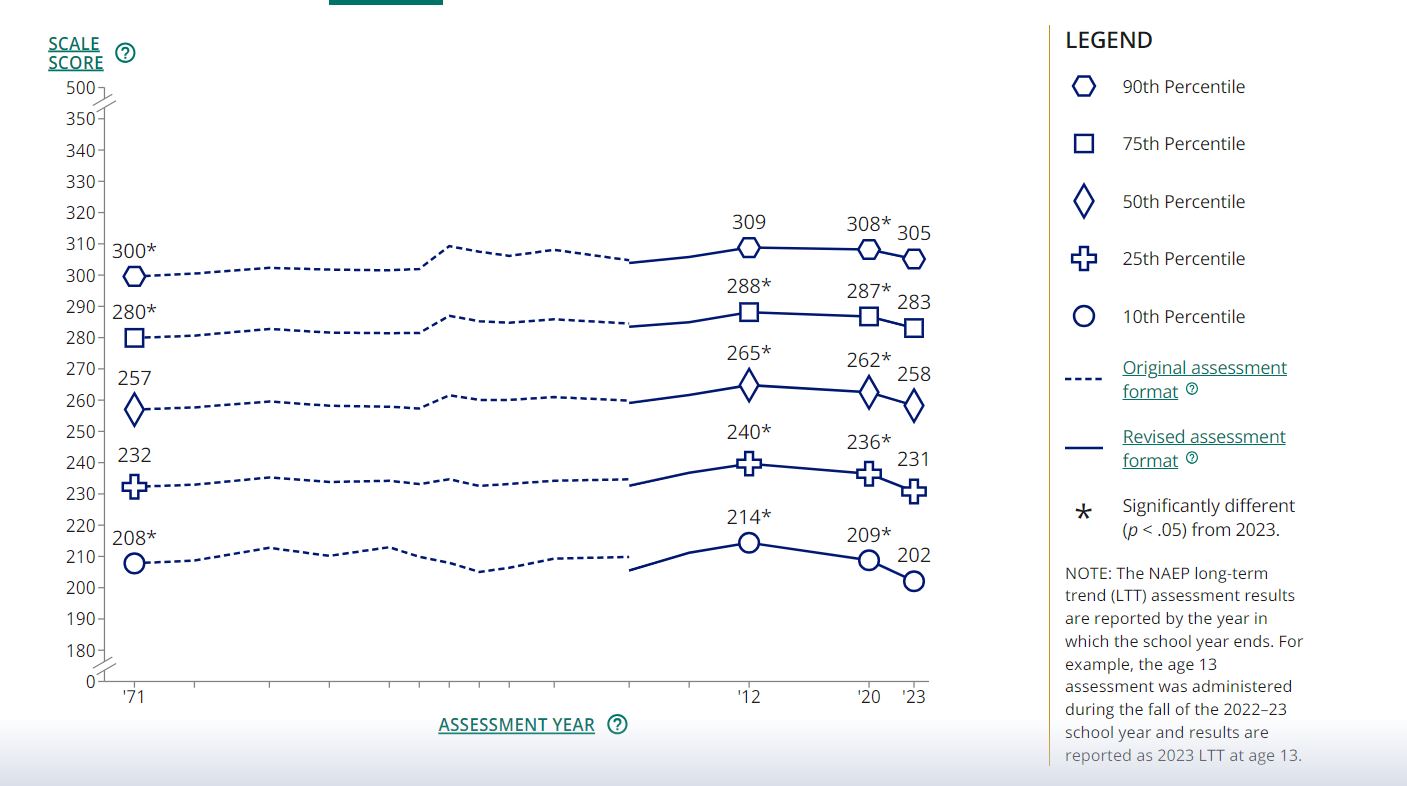
Assessment experts generally distinguish among several purposes: giving feedback, diagnosing instructional needs, holding schools accountable and certifying achievement. The available evidence points toward combining formative, performance-based and standardized assessments because each answers different questions. A portfolio-only system would have to solve the problems of reliability, fairness, cost and comparability at the same time. (see Figure 1)
The bottom line
The evidence favors a mixed assessment system, not complete replacement of standardized tests, with moderate confidence. Portfolios have credible strengths in showing complex learning, growth, reflection and problem-solving, and they are particularly well suited to helping students and teachers improve.
But the evidence against universal replacement is stronger on the central policy question. Research does not establish that portfolios can be scored consistently, implemented equitably and sustained across all grades, subjects and districts while preserving accountability and cross-school comparisons. The main uncertainty is not whether portfolios are useful; it is whether they can perform every major assessment function at system-wide scale without losing the benefits of common tests.
Figures & data

All contributions are reviewed for clarity, balance, and evidence. The strongest insights are elevated into the argument graph — with credit to you.
Help improve this analysis →