Rising global temperatures exceeding 1.5 °C above pre‑industrial levels pose a threat to ecosystems and human societies
What's this about?
People disagree about whether warming past 1.5°C above the time before factories will greatly harm nature and people. Scientists say risks grow with each bit of extra heat.
What supporters say
- At 1.5°C, heat waves, floods, droughts, and food and water stress will harm more people.
- At 2°C, these dangers grow much worse than they do at 1.5°C.
- Heat, drought, and lost crops can hit towns at the same time.
- Ice sheets, coral reefs, and frozen lands may face changes that people cannot undo.
What critics say
- They say 1.5°C does not mark one sudden point where all harm starts at once.
- They note that scientists cannot name the exact heat level for each ice sheet or reef change.
- They say clean water, less waste, and wise fishing can help some coral reefs cope.
- They stress that corals may adjust in some places, though warming still creates major danger.
The bottom line
The evidence shows that warming past 1.5°C brings high and growing risks for nature and people. It does not mean instant disaster, but every extra bit of heat makes harm more likely and more severe.
Crossing 1.5°C of global warming above pre-industrial levels would raise already serious risks to both nature and people. The evidence does not suggest a single, sudden worldwide breaking point, but it strongly indicates that every additional fraction of warming makes damages more likely and more severe.
The case for
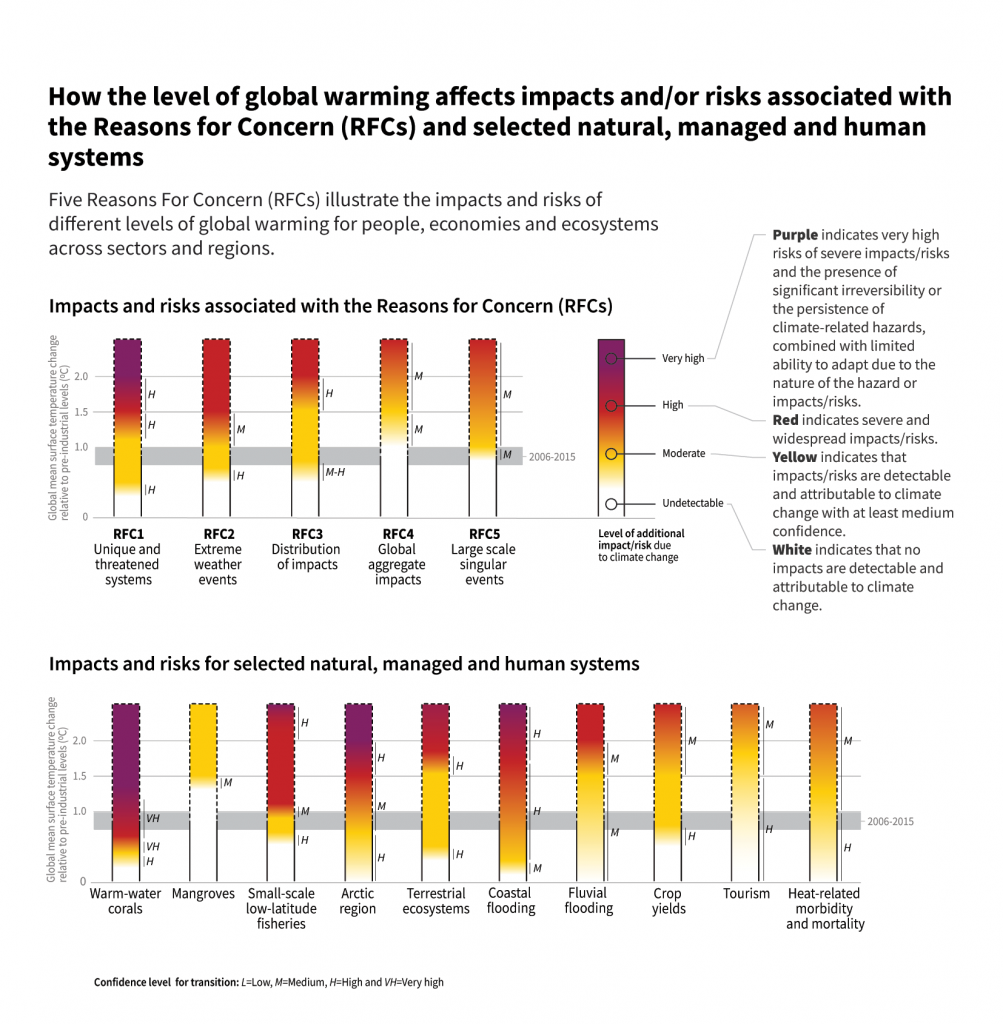
Major assessments by the Intergovernmental Panel on Climate Change, or IPCC, find that climate risks rise as temperatures rise. At 1.5°C, the world already faces greater threats from heatwaves, heavy rain, drought, food and water shortages, health problems and damage to livelihoods than it does today. At 2°C, those risks become substantially greater. In that sense, 1.5°C is best seen as a risk-reduction target, not a guarantee of safety 1.
The threats are not limited to isolated disasters. Extra warming can bring several hazards at once: for example, heat, drought and crop losses can compound pressures on communities and ecosystems. The IPCC says climate change is already causing widespread losses, and that each additional increment of warming intensifies risks across natural and human systems (see Figure 3).
Ecosystems are among the most vulnerable areas. Some parts of the climate system and natural world may change in ways that are difficult or impossible to reverse once certain conditions are reached. A peer-reviewed review of potential “tipping elements” found that ice sheets, tropical coral reefs and parts of the frozen world may become vulnerable at or near 1.5°C, although these are probabilities rather than fixed thresholds 2.
Coral reefs provide a clear example. Research reviews find that warming increases the risk of repeated bleaching, weakening reefs’ ability to survive over time. Local pollution, fishing pressure and reef management can affect the outcome, as can the ability of corals to adjust. But the overall evidence still points to a high and growing threat from warming.
For people, the risks span daily life as well as major emergencies. Health research links rising temperatures to greater exposure to dangerous heat, heat-related illness, changing patterns of infectious disease, food insecurity, respiratory problems and mental-health pressures. Climate hazards also strain health systems, reduce labor productivity and threaten efforts to reduce poverty 3.
These harms do not fall evenly. People with high exposure to climate hazards and fewer resources to adapt are generally at greater risk. Poorer communities, workers exposed to heat, and places with limited health care, water systems or financial support may face especially severe consequences. Adaptation can reduce some harm, but the IPCC identifies real limits to how much societies and ecosystems can adapt.
The case against
The strongest challenge is not whether additional warming raises risks, but how precisely those risks can be measured 4. Scientists cannot assign one exact level of damage to every tenth of a degree of warming, or predict the timing and scale of losses in every region.
Potential tipping points, for instance, are uncertain rather than guaranteed. Estimates depend on ecological responses, future emissions, and interactions among hazards. For coral reefs and food systems, outcomes can also be shaped by local management, technology, land use, diets, and efforts to cut other environmental pressures.
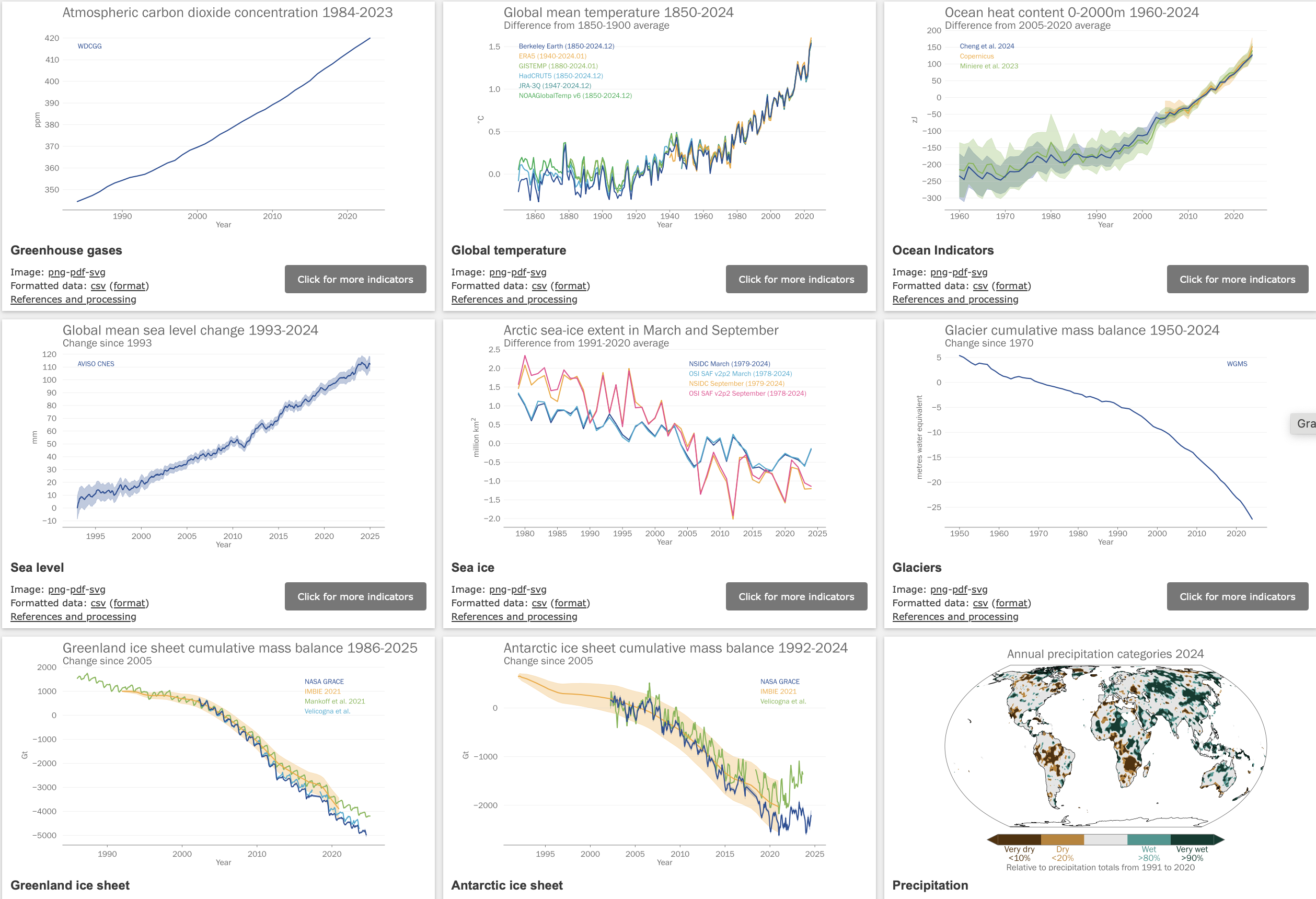
The consequences of going above 1.5°C also depend on how long temperatures remain there. A single year above the level would not be the same as a sustained breach of the Paris Agreement’s long-term temperature goal. The scale of any overshoot, its duration, total accumulated warming and whether temperatures later fall would all matter (see Figure 1).
There is also no single common measure that can neatly compare a lost ecosystem, a health impact, a livelihood loss and wider social damage across different countries. Future vulnerability will depend heavily on adaptation, inequality, local conditions and policy choices.
The bottom line
The evidence strongly supports the claim that warming beyond 1.5°C poses a significant and increasing threat to ecosystems and human societies. Risks to heat, water, food, health, livelihoods and natural systems rise with each additional increment of warming, and some ecological changes may be irreversible 12.
But 1.5°C is not a universal cliff where harm suddenly starts, nor does it allow a precise global damage estimate. It is a crucial benchmark: limiting warming to that level reduces harm rather than eliminating it. The biggest uncertainty concerns the exact size, timing and distribution of losses—not the central finding that further warming makes the risks worse.
Pros — Supporting Arguments
Cons — Opposing Arguments
Figures & data

All contributions are reviewed for clarity, balance, and evidence. The strongest insights are elevated into the argument graph — with credit to you.
Help improve this analysis →