Retyping LLM-generated code improves programmer understanding and retention compared with copy-pasting
What's this about?
People disagree about whether retyping AI-made code helps coders learn and remember it better than copy-pasting.
The idea makes sense, but we are not sure retyping alone causes better learning.
What supporters say
- Copy-pasting can make people accept AI code without checking how it works.
- Retyping may make people slow down, study each part, and think about what the code does.
What critics say
- No fair test has shown that retyping itself causes people to learn code better.
- If people can see the code while retyping, they may copy its shape without learning its main ideas.
How to read this
The number of points on each side does not show who is right; strong proof matters more than a long list.
The bottom line
Retyping may help when people rebuild code from memory, check it, and fix mistakes.
Still, the proof does not show that retyping alone improves learning or memory.
The claim is that programmers learn and remember AI-generated code better when they retype it instead of copying and pasting it. The evidence makes that benefit plausible in some situations, but does not show that retyping alone causes better learning.
The case for
Retyping can encourage programmers to pay closer attention to the code. Entering identifiers, punctuation and structure by hand may make it harder to accept an AI suggestion without examining it. That extra attention could help learners notice how the program works rather than treating the output as an answer to be used automatically. 1
Learning research generally finds that people remember material better when they retrieve or meaningfully produce it, rather than simply review it. This supports the idea that effortful engagement with code may be useful. But those findings usually involve more than copying visible material: learners may have to recall information, explain it or generate an answer.
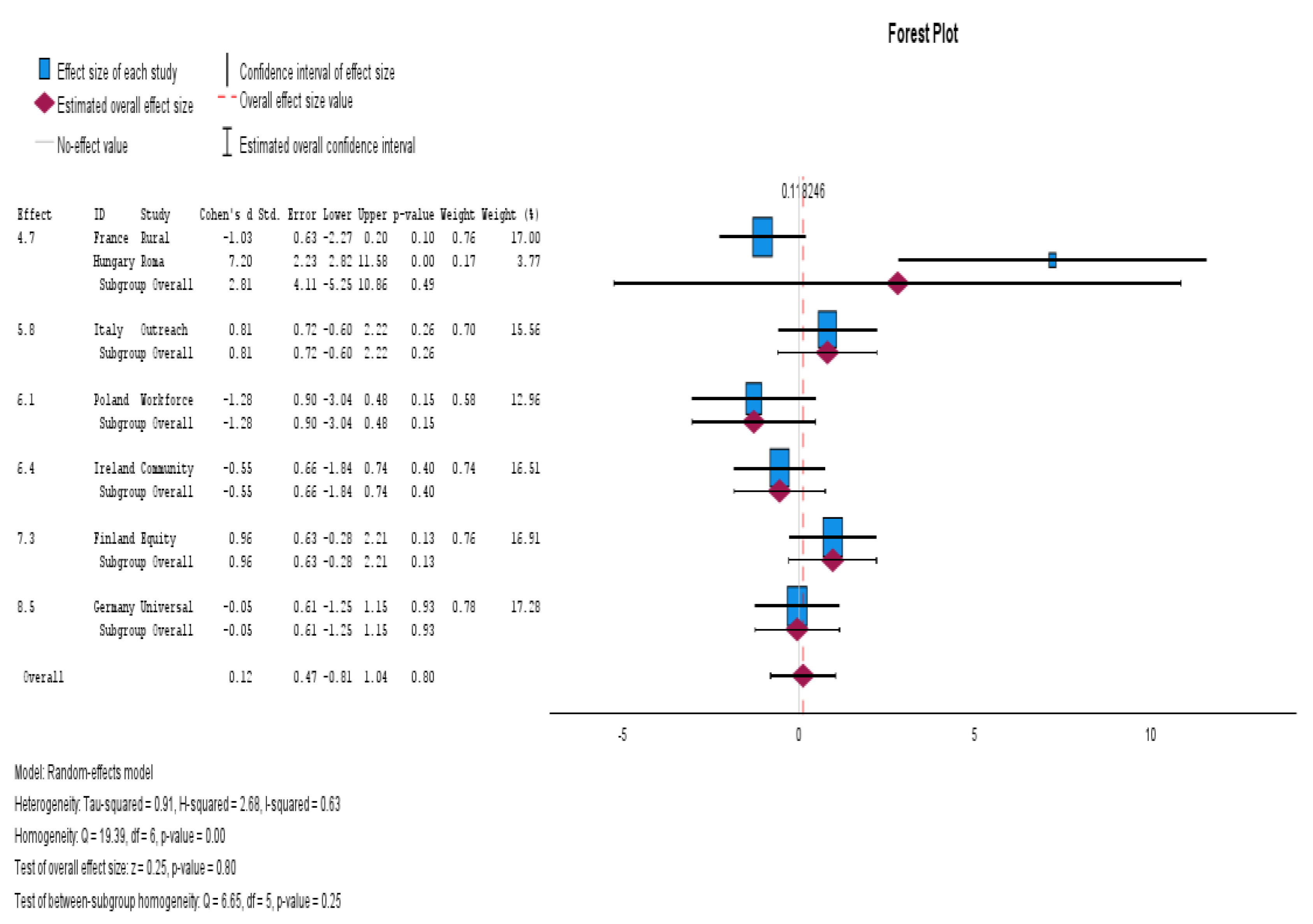
The argument is strongest when “retyping” means looking away from the AI’s output, reconstructing the code, and checking or correcting the result. That process resembles retrieval and active generation more closely than mechanical transcription. In that form, retyping could act as a prompt for closer engagement, particularly when copy-pasting would otherwise involve little inspection, explanation or adaptation. 2 (see Figure 3)
Research on AI-assisted programming also raises concerns about accepting generated suggestions too easily. Heavy reliance on AI can create a trade-off: the programmer may complete a task while understanding less of the resulting code. Retyping could reduce that risk if it leads users to inspect and think through the output rather than merely transfer it into a program.
The case against
The strongest problem is that no direct causal test has established retyping as the reason for better learning. The studies and reviews cited in the analysis address broader issues such as AI assistance, user interaction, explanations and general learning outcomes. They do not provide a randomized comparison of visible, word-for-word retyping against copy-pasting while measuring both immediate understanding and later retention. 3
Retyping can also be purely mechanical. A programmer who keeps looking at the model’s answer while entering every character may spend more time and effort without explaining the algorithm, predicting what it will do, finding mistakes or reproducing the solution later. The additional keystrokes may therefore add physical effort without adding much conceptual learning. 4
Research on the “generation effect” does not treat every act of producing text as meaningful generation. Its benefits depend on what the learner must think about and do. This is why active reconstruction, explanation, modification and testing are more convincing learning strategies than verbatim transcription alone.
Any benefit is also likely to vary with the programmer’s prior knowledge, the complexity of the code, the quality of feedback and whether the learner adapts the AI’s output. Evidence that engaged use of AI supports understanding cannot automatically be applied to all retyping. Likewise, evidence that passive copying encourages shallow acceptance does not mean every act of copying has that effect.
The bottom line
The evidence leans toward a conditional benefit from active, retrieval-like engagement, not toward a proven advantage for ordinary retyping. Learning theory and related research make it plausible that reconstructing AI-generated code could improve understanding and delayed retention compared with passive copy-pasting. But the strongest evidence does not isolate verbatim retyping itself, and the evidence that it adds conceptual learning is weak.
Confidence is high in this qualification and low in any universal claim that retyping alone is superior. The key unanswered question is whether the extra keystrokes create meaningful thinking or merely extra work. A decisive study would randomly assign learners to copy-pasting, visible verbatim retyping and active reconstruction, then test comprehension, transfer and delayed retention across different skill levels and code difficulties.
Pros — Supporting Arguments
Figures & data


All contributions are reviewed for clarity, balance, and evidence. The strongest insights are elevated into the argument graph — with credit to you.
Help improve this analysis →